A toilet that keeps rising instead of draining is one of the more panic-inducing plumbing moments a homeowner can face. The instinct is often to keep flushing or plunging, but the fastest way to stop the situation is to stop the water first and assess second.
A few calm, immediate steps can keep a bad moment from becoming a much bigger and more expensive one.
Why Toilets Overflow in the First Place
An overflow happens when water enters the bowl faster than it can drain out, whether that is from the tank continuing to refill or from a blockage preventing the bowl from emptying at all. Understanding which side of that equation you are dealing with, the fill side or the drain side, shapes which immediate step actually helps.
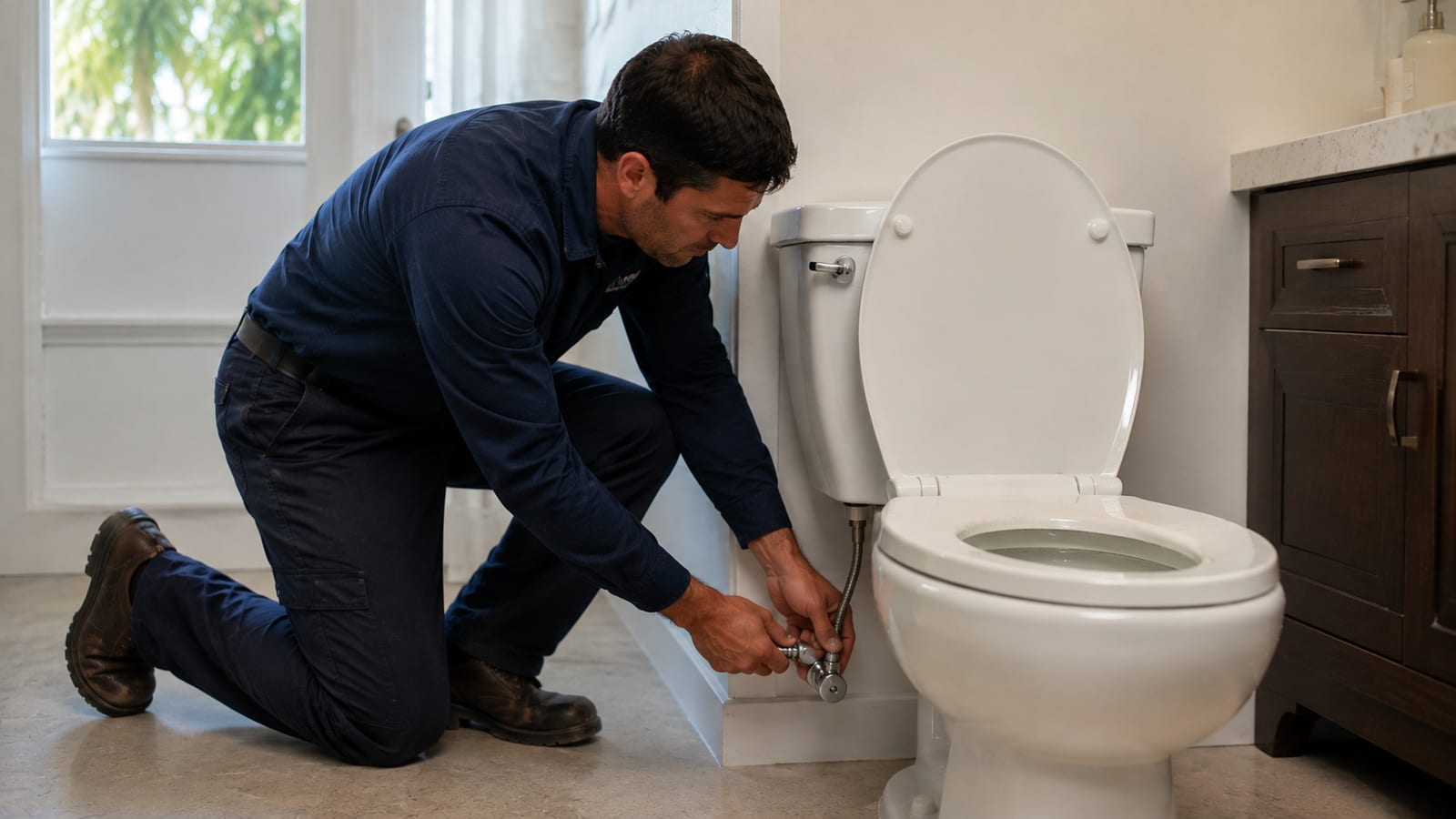
Close the Angle Stop Valve Behind the Toilet
Nearly every toilet has a small oval or round handle on the water supply line, usually low on the wall or floor behind the base. Turning this valve clockwise shuts off the water feeding the tank and is the fastest way to stop an overflow at the source.
- Reach behind the toilet base, near the floor or wall, to locate the valve.
- Turn it clockwise until it stops moving freely.
- Confirm water is no longer entering the tank or bowl.
Lift the Float or Close the Flapper by Hand
If the angle stop is hard to reach quickly, removing the tank lid gives you a second option.
- Lift the float ball or float cup inside the tank, which stops the fill valve from continuing to add water.
- Alternatively, press the flapper at the bottom of the tank closed by hand if it appears to be stuck open.
- Holding either position gives you time to reach the angle stop valve without more water entering the bowl.
Stop Adding Anything to the Bowl
Once the water has been shut off, resist the urge to flush again or immediately grab a plunger. Adding more water or force to a bowl that is already at capacity usually pushes water onto the floor rather than clearing anything.
Assessing the Situation After the Water Stops
With the water source shut off, take a moment to look at what is actually happening before deciding on next steps.
- Note the water level in the bowl and whether it is slowly going down on its own.
- Check nearby drains, including tubs, showers, and other toilets, for any signs of gurgling or backup.
- Look for water that has already reached the floor, baseboards, or an adjoining room.
Simple Bowl Clog vs Main Line Problem
Signs It's a Simple Clog
- Only this toilet is affected, with no issues at other fixtures.
- The water level slowly drains on its own after some time.
- No gurgling sounds occur at other drains when this toilet was flushed.
A simple clog is usually caused by too much toilet paper, a foreign object, or a "flushable" wipe that did not break down, and it can often be cleared with a proper flange plunger once the water level is safely managed.
Signs It's a Main Line Problem
- Other drains gurgle or bubble at the same time the toilet overflows.
- Multiple fixtures, such as a tub or another toilet, back up around the same time.
- A sewage odor is present in addition to the overflow.
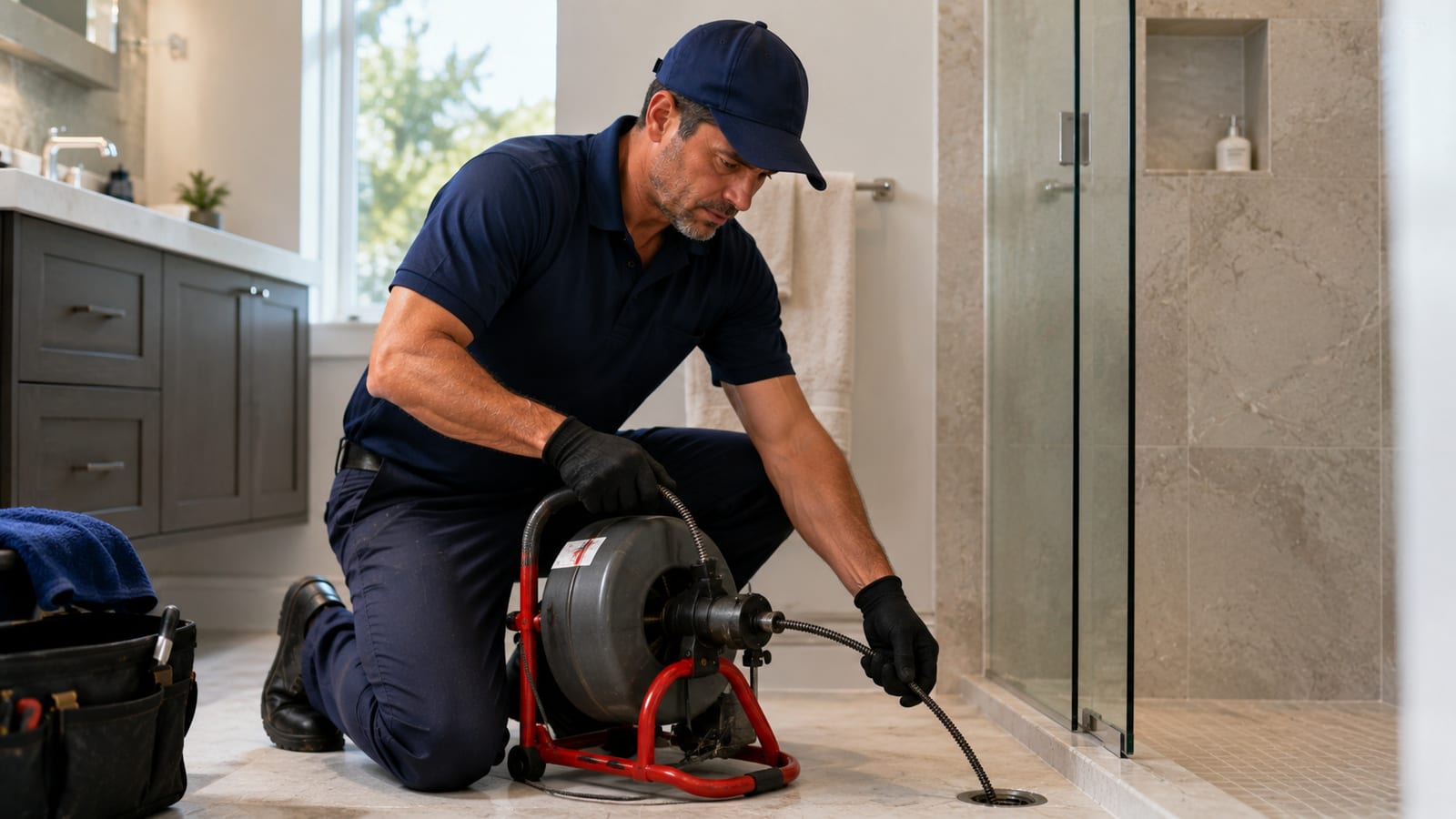
These signs point to a blockage in the main line rather than an isolated clog in this one fixture, and they call for professional diagnosis rather than repeated plunging.
When a Plunger Will Make Things Worse
Plunging can be the wrong move in two specific situations. If the bowl is already at or near the rim, plunging displaces water outward onto the floor rather than clearing the blockage. If the underlying issue is a main line blockage rather than a local clog, plunging has nothing to push against and will not resolve anything, while continuing to risk pushing water onto the floor with each attempt.
Water Damage Risks on Second Floors and Slab Homes
Where the overflow happens matters just as much as how much water is involved.
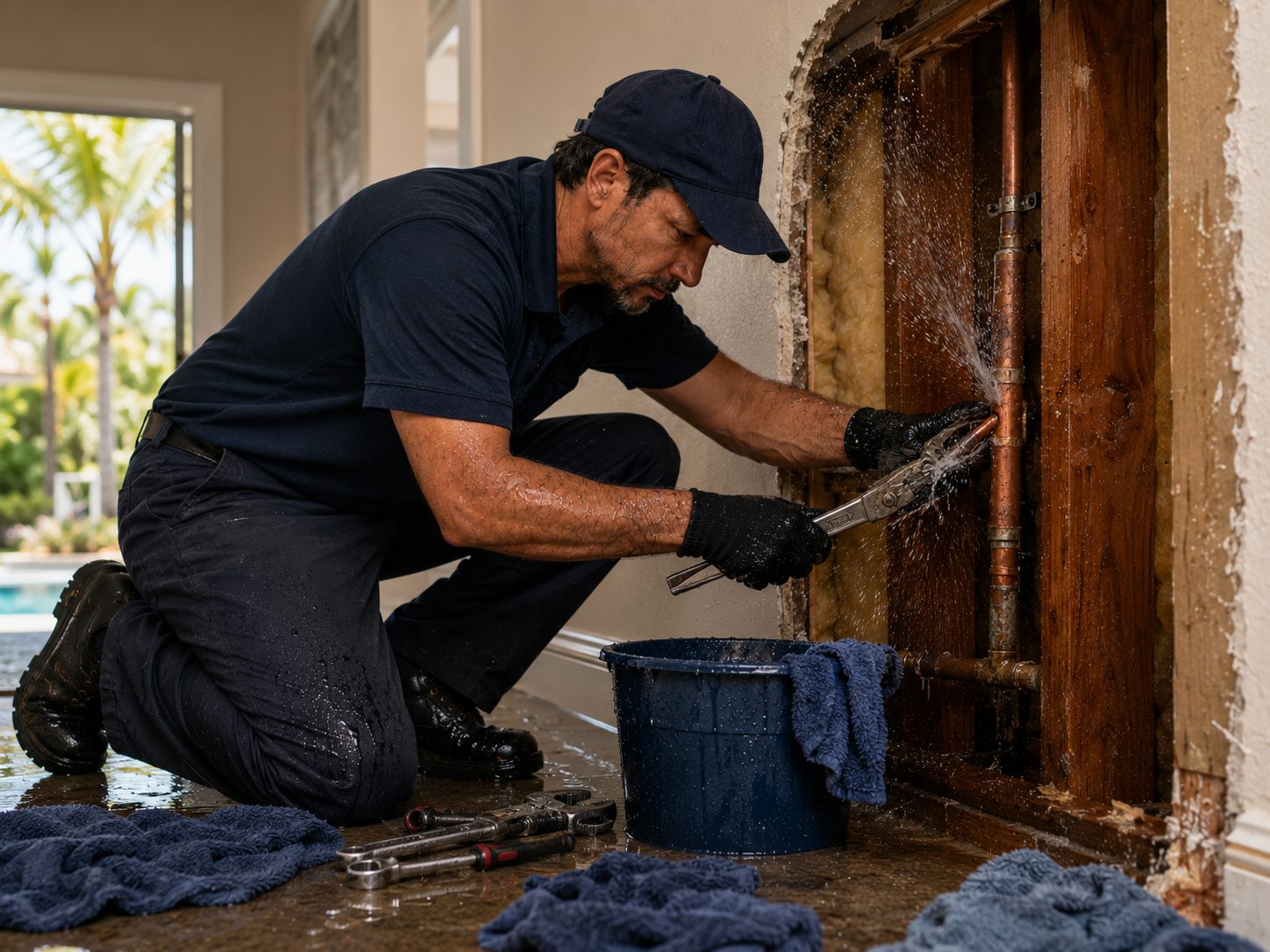
- In two-story homes, an overflowing upstairs toilet can send water through the subfloor and ceiling below within a short amount of time, affecting rooms you are not even standing in.
- In Florida's common slab-on-grade homes, overflow water can spread quickly under baseboards and beneath tile or flooring, where it may not be immediately visible.
- Standing water left unaddressed, even briefly, can lead to warped flooring, damaged grout lines, and mold growth given Florida's humidity.
Acting quickly to shut off the water source limits how far these risks extend, regardless of which floor or room the toilet is in.
Cleaning Up Safely After an Overflow
- Use towels to absorb standing water as soon as the source has been shut off.
- Wear gloves if there is any chance the water came from the bowl rather than clean tank water, since bowl water can carry bacteria.
- Ventilate the room and monitor flooring and baseboards over the following days for signs of lingering moisture.
Preventing Future Overflows
- Only flush toilet paper, and avoid wipes, paper towels, and hygiene products.
- Address a toilet that flushes slowly or clogs repeatedly before it becomes a full overflow.
- Know where your angle stop valve is located before an emergency happens, not during one.
- Schedule an inspection if overflows keep recurring, since repeated issues can point to a larger drain or sewer line concern.
Toilet Overflow Emergency Repair in Orlando
A toilet that won't stop overflowing needs a fast, calm response and, in many cases, a professional look at what is actually causing it. If shutting off the water does not resolve the issue, or if you noticed signs pointing to a main line problem, contact a licensed Orlando plumber for a same-day diagnosis before more water damage occurs.