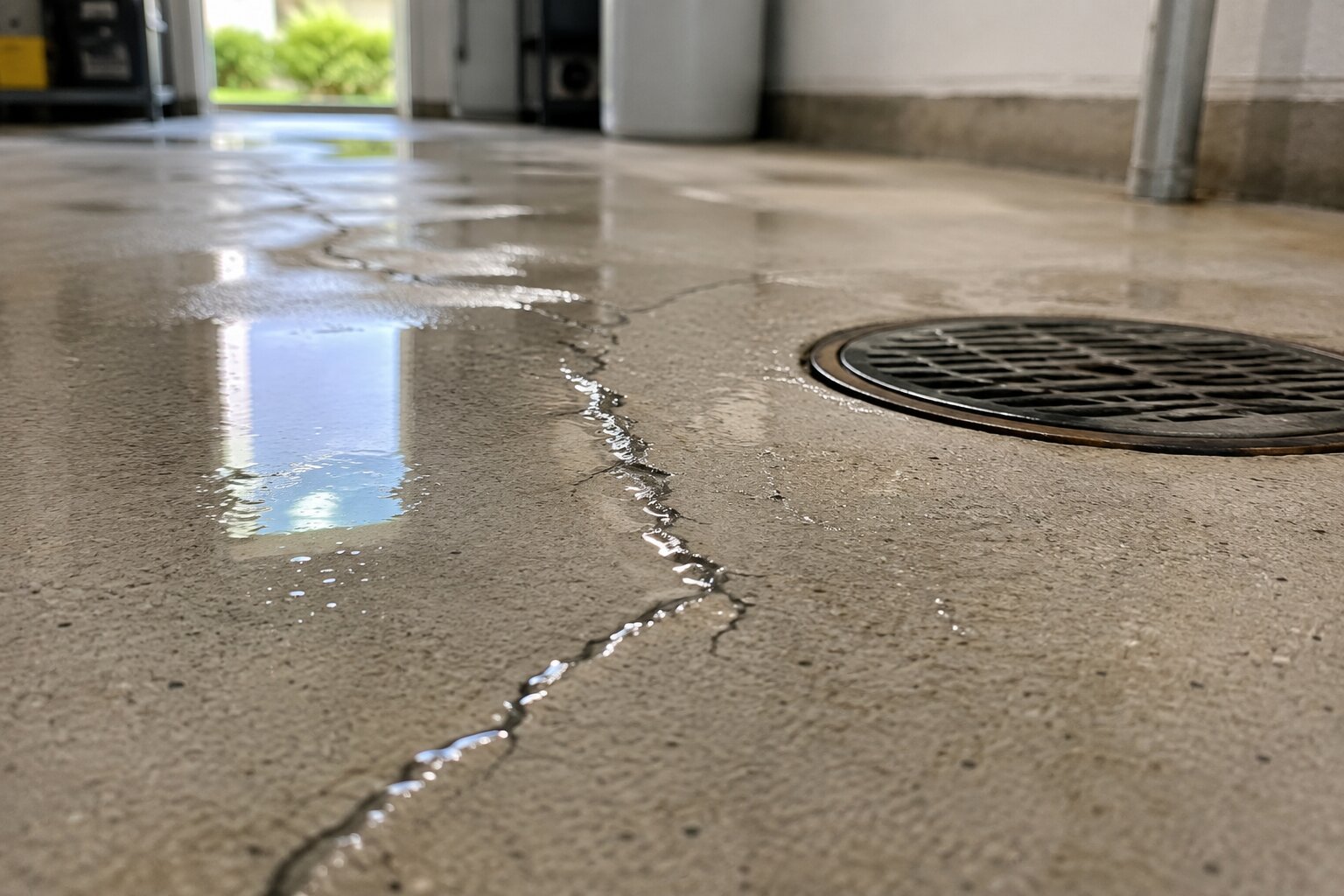
Finding water seeping up through a crack in your floor, rising from a floor drain, or bubbling up between grout lines is one of the more unsettling things a homeowner can encounter. It is also one of the more common calls Central Florida plumbers receive, especially during the rainy season when the water table sits close to the surface across much of the region.
The tricky part is that several very different problems can cause the same visible symptom. Getting the diagnosis right matters, because the fix, and the cost, varies enormously depending on the actual cause.
Why This Happens More Often in Central Florida
Most homes in this region are built on a concrete slab foundation, with drain and supply lines running underneath before the slab was poured. Combine that construction style with Florida's high water table, sandy soil, and heavy seasonal rainfall, and you have conditions where water finds its way upward more easily than in many other parts of the country.
- Slab-on-grade construction means any failure in an under-slab pipe has nowhere to go but up, through cracks, drains, or expansion joints.
- The rainy season, typically June through September, raises the water table significantly and is when most of these calls come in.
- Homes near retention ponds, wetlands, or low-lying lots are more prone to groundwater intrusion issues than homes on higher ground.
Possible Cause One: A Failed Under-Slab Drain Line
A cracked, collapsed, or offset drain line running beneath the slab can allow wastewater to escape into the soil beneath the home, where it eventually finds its way back up through the path of least resistance.
- This is more common in homes with cast iron drain lines, which corrode from the inside over several decades.
- Signs pointing toward this cause include a foul odor accompanying the water, water appearing near a specific fixture's drain path, or a slow, recurring pattern rather than a one-time event tied to rain.
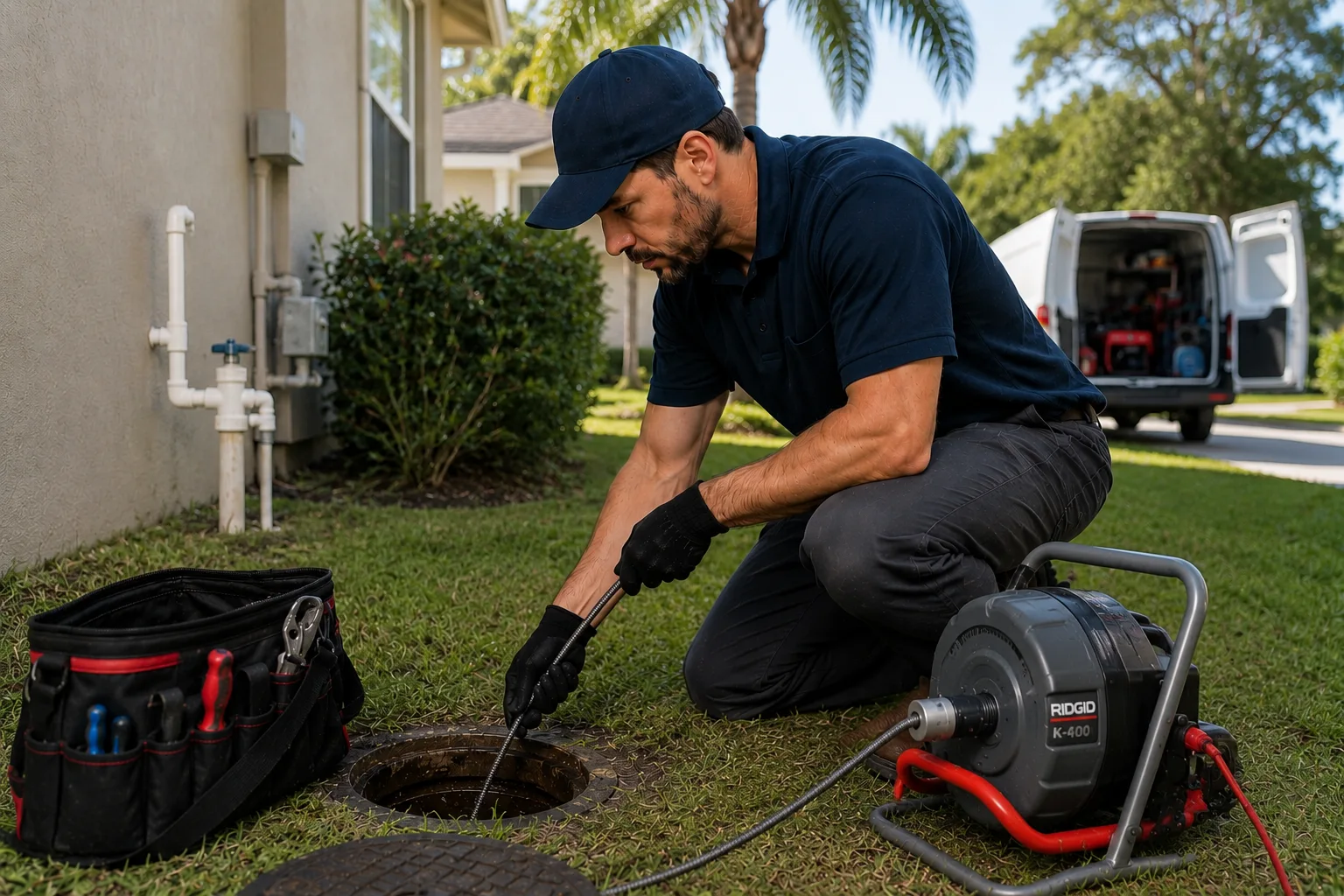
- A camera inspection run through a cleanout is the standard way to confirm a drain line failure and pinpoint its exact location before any demolition begins.
Possible Cause Two: Root Intrusion
Tree roots are drawn to the moisture and nutrients inside sewer and drain lines, and they can enter through even hairline cracks or joint gaps.
- Once inside, roots expand and can partially or fully block a line, causing wastewater to back up and find an alternate path upward.
- Homes with mature trees, especially oaks, near the drain line's path are more susceptible to this cause.
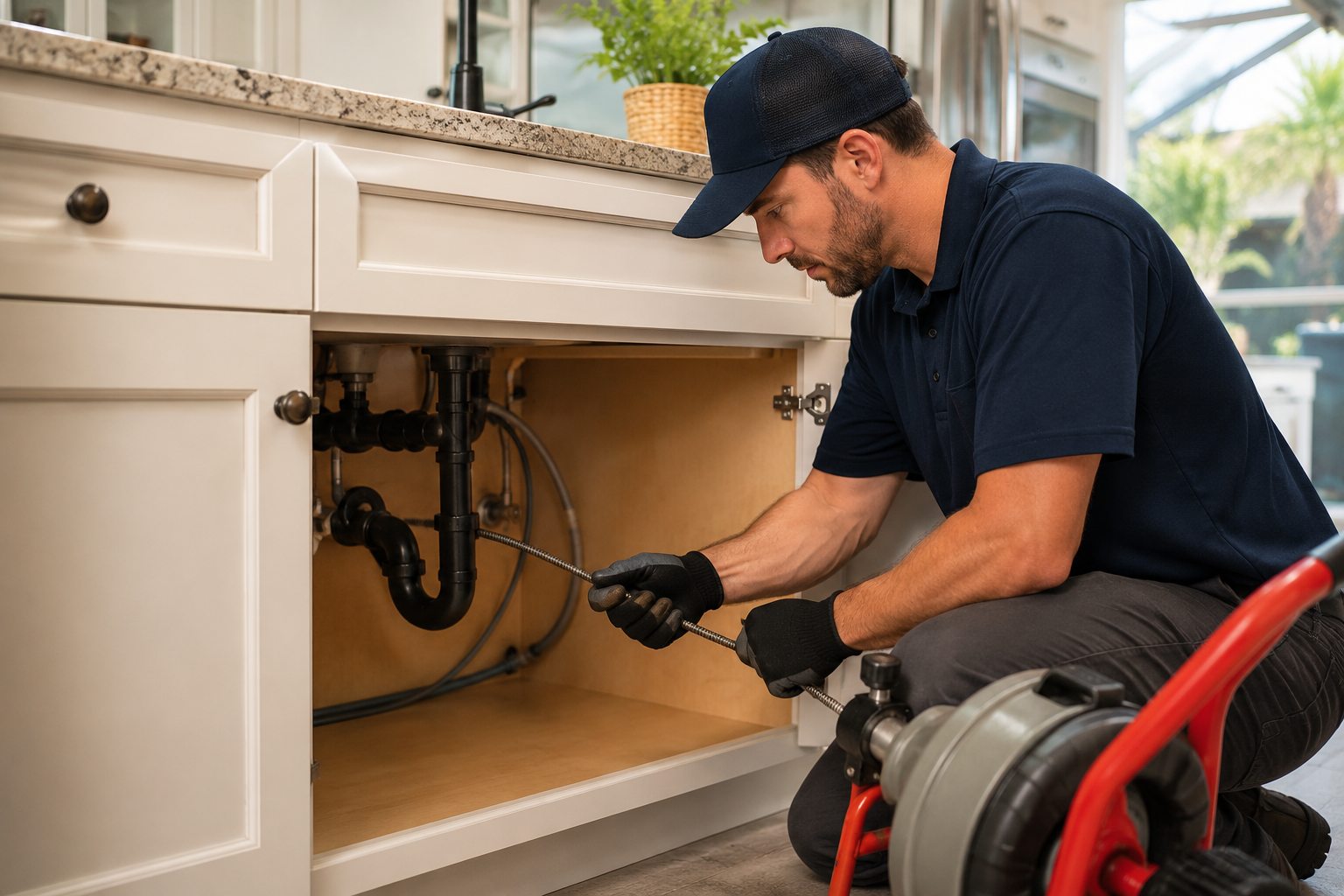
- A camera inspection typically shows root intrusion clearly, and the fix ranges from hydro jetting to clear the roots to a spot repair if the pipe itself has been damaged.
Possible Cause Three: A Saturated Water Table Pushing Groundwater Upward
Sometimes the water is not sewage or drain water at all, but groundwater being pushed up through natural cracks, expansion joints, or floor drains during periods of heavy rain and a high water table.
- This water is typically clear and odorless, unlike drain line water, which often carries a sewage smell.
- It tends to appear at the lowest points in the slab, such as floor drains or expansion joints, and often recedes once rainfall lets up and the water table drops.
- While less immediately alarming than a drain line failure, recurring groundwater intrusion can still indicate grading or drainage issues around the home worth addressing.
How a Plumber Tells the Difference
Distinguishing between these causes starts with a few key questions before any camera equipment comes out.
- Does the water have an odor? Sewage odor points toward a drain line issue, while odorless water leans toward groundwater.
- Does it correlate with rainfall, or does it happen regardless of weather? A strong rain correlation supports a water table cause, while a recurring pattern unrelated to weather supports a drain line or root problem.
- Is it tied to using a specific fixture, such as appearing only after a shower or laundry cycle? That points toward a drain line issue on that fixture's path.
Why Camera Inspection Comes Before Demolition
It can be tempting to assume the worst and start breaking into a slab, but that approach risks unnecessary cost and damage if the actual cause turns out to be something less invasive, like a groundwater issue tied to grading.
- A sewer camera inspection run through an existing cleanout lets a plumber see the exact condition of the pipe without opening the floor.
- If a drain line issue is confirmed, the camera also shows the precise location, which limits any necessary demolition to the smallest area possible.
- This step alone often saves homeowners from unnecessary slab work when the real cause turns out to be addressable without cutting into the foundation at all.
Getting an Accurate Diagnosis in Central Florida
Water rising through your slab or floor drain is never something to ignore, but it is also not automatically a worst-case scenario. The cause could be a straightforward drainage or grading issue, or it could point to a drain line that needs professional attention. A licensed plumber with camera inspection equipment can identify the actual source quickly, so you know exactly what you are dealing with before any repair work begins.